Who Gets to Design the Journey? Why the Future of Travel Should Be Co-Created With Local Communities
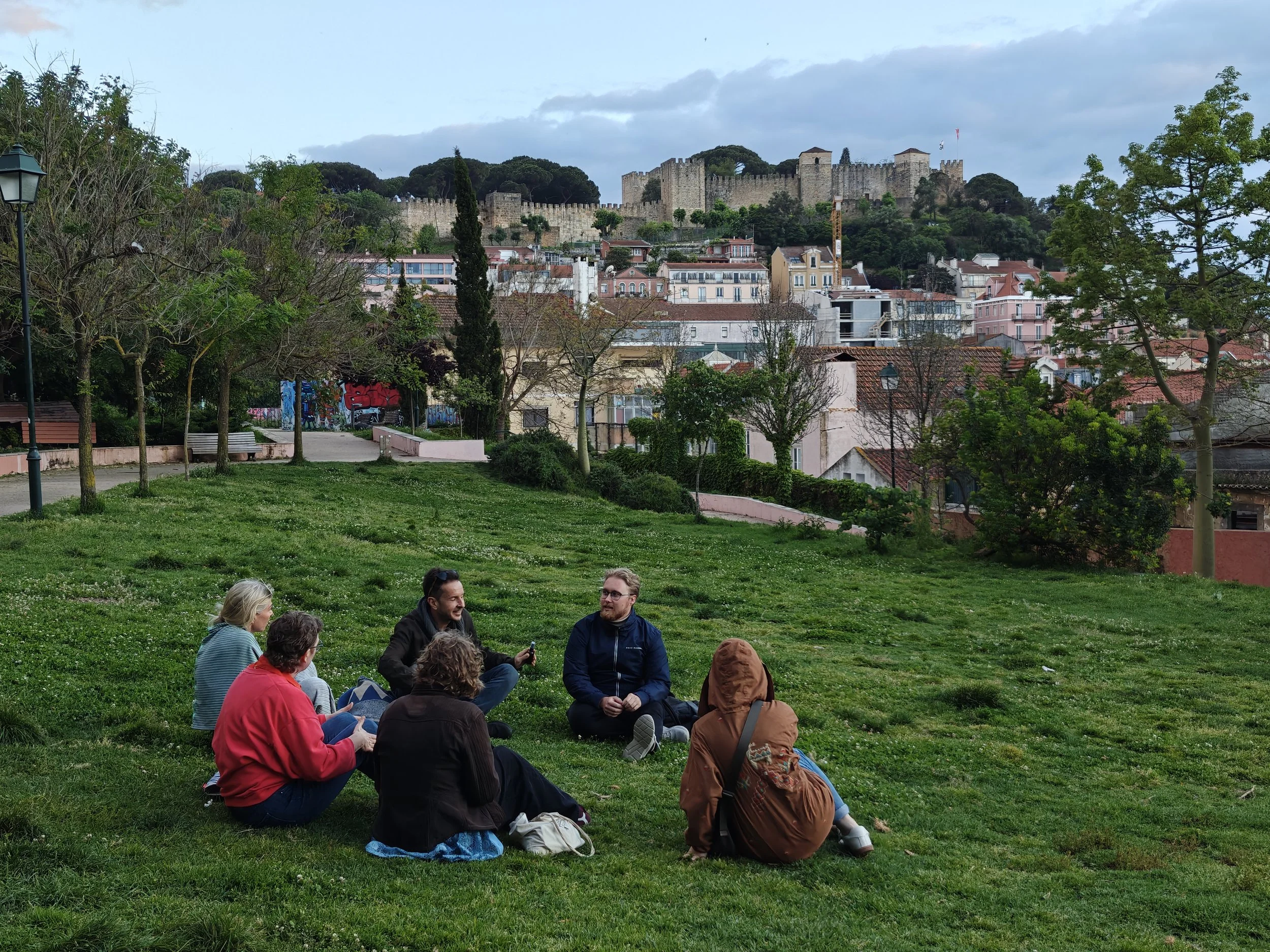
Travel becomes more meaningful when we experience a place through the people who give it its identity.
For decades, travel has been designed around a remarkably simple question: What does the visitor want to see? It sounds logical. Travel is a service industry; someone saves money, takes time away from work, books a flight and arrives with limited days. Naturally, an itinerary is built around their interests: the monuments they want to photograph, the food they want to taste, the neighborhoods they have heard about and the experiences they hope will make the trip memorable.
But perhaps that has always been only half of the question.
What happens when we also ask what a place wants to share? More importantly, who gets to decide which stories, communities and spaces become part of the visitor experience in the first place?
This question has increasingly shaped the way I think about responsible tourism and transformational travel through Soul Dreamers. It became particularly clear while developing immersive cultural experiences in Lisbon, and it has become even more important as we begin designing multi-day journeys in Portugal, Colombia and Morocco.
The travel industry speaks constantly about authentic travel, regenerative tourism, sustainable tourism and community-based tourism. Yet many experiences described with those words are still designed according to the same structure as conventional tourism: somebody outside the community decides what is interesting, packages it, prices it, markets it and brings visitors in.
The vocabulary changes. The power structure often does not.
I believe one of the most important evolutions in travel will happen when we begin redesigning that relationship.
An itinerary is never neutral
An itinerary can look innocent. A café here, a market there, a neighborhood, a viewpoint, a family restaurant, a village, perhaps a workshop with a local artisan. Yet every inclusion carries meaning.
When we choose one neighborhood and ignore another, we influence the visitor’s understanding of a city. When we introduce somebody primarily as an artisan, migrant entrepreneur, community leader, refugee, indigenous host or traditional family, we have already framed that person before the traveler has had the opportunity to meet them.
The effect becomes even more visible when an experience succeeds. Bringing ten travelers each month into a small café might help sustain a family business. Bringing hundreds could fundamentally alter how that café operates. A street repeatedly photographed because it feels “authentic” can gradually become a stage. A neighborhood celebrated for being “undiscovered” can quickly become the next destination promoted precisely because it once escaped tourism.
Travel design is therefore far more than logistics. It is an act of interpretation, and interpretation carries power.
Travel advisors, guides, tour operators, content creators and itinerary designers become editors of place. We amplify particular stories, leave others invisible and determine which people and spaces become part of the visitor economy. Yet this editorial power is rarely discussed when we talk about responsible tourism.
Perhaps it should be.
Not everything meaningful needs to become a tourism product
Tourism often assumes that visibility is inherently positive. If there is a remarkable artist, a beautiful landscape, an inspiring community project or a wonderful family restaurant, the instinct is to say that more people should discover it. More visitors may mean more income, greater visibility and new opportunities.
Sometimes that is absolutely true. But not always.
Some places are fragile. Some communities are tired of being observed. Some social projects are doing important work without wanting to become attractions. Certain traditions lose something essential when they are reorganized around an audience. And some people simply do not want strangers entering their lives because an itinerary designer has decided their story would make a compelling experience.
This may be one of the more uncomfortable truths in responsible and regenerative tourism: not everything meaningful should become a tourism product.
Sometimes thoughtful travel design means opening a door. Sometimes it means protecting one.
That distinction matters because tourism still celebrates discovery almost automatically. We enjoy being the first to find the untouched café, the hidden village, the empty beach, the local bar without an English menu. But the desire to discover authenticity can easily become the very force that changes what travelers came searching for.
The paradox of authentic travel
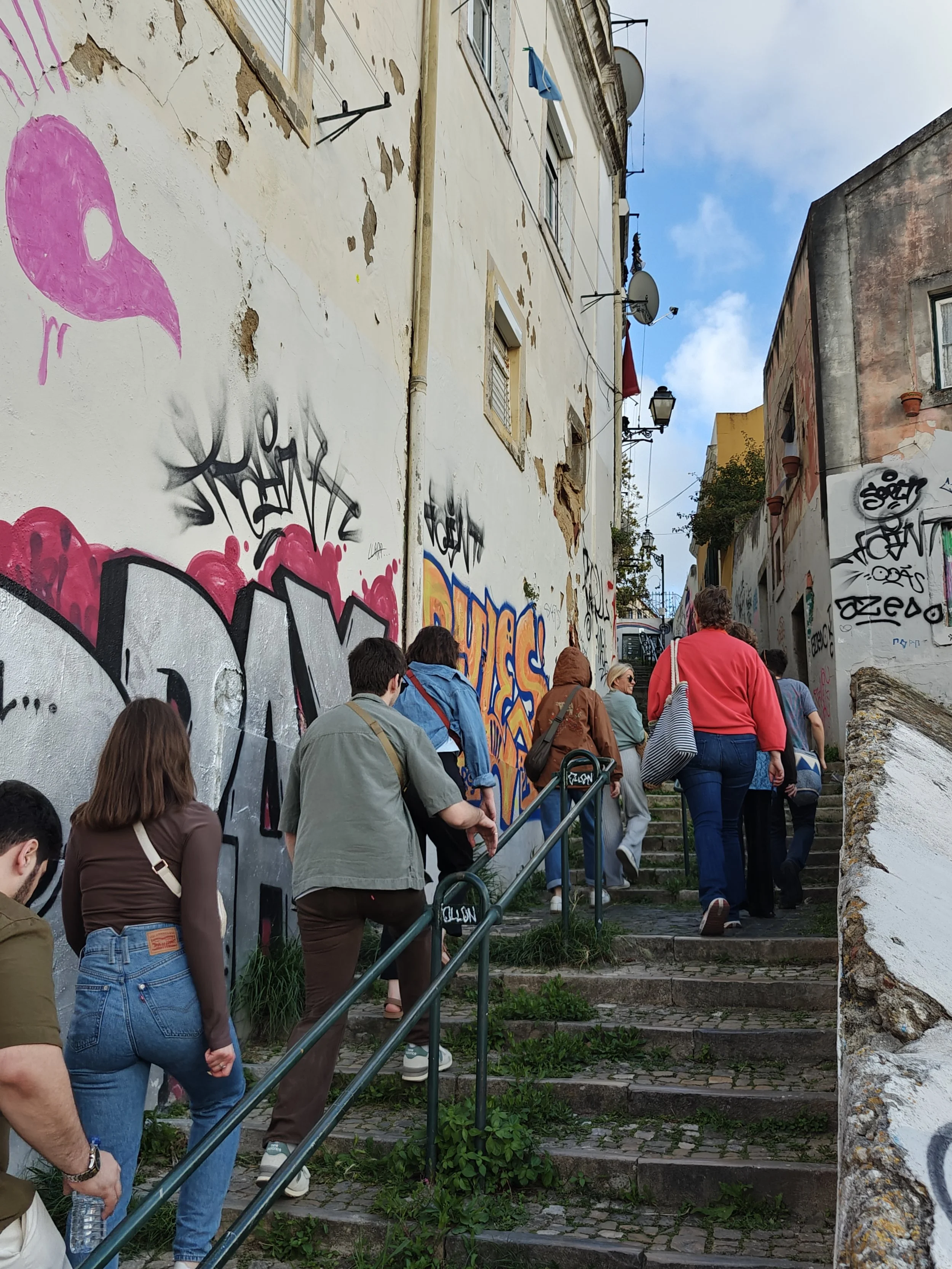
The search for “authenticity” can change the very places travelers hope to discover.
“Authentic travel” has become one of the most valuable phrases in tourism marketing. Travelers increasingly want to eat where locals eat, enter neighborhoods beyond the historic center, meet craftspeople, discover community spaces and have experiences that feel spontaneous rather than manufactured.
There is a contradiction hidden inside this desire. The more successfully tourism identifies, packages and distributes authenticity, the more easily those environments can change.
A family restaurant begins appearing in dozens of itineraries. A residential street becomes an Instagram destination. A local venue adjusts its programming around visitors. A musician who once played primarily for neighbors finds that tourists now make up most of the room.
None of this is automatically harmful. Tourism can create livelihoods, finance cultural preservation and bring opportunity into communities that have historically received little economic benefit from visitors.
But it is misleading to imagine that tourism simply observes a destination.
Travel changes what it touches.
The useful question is therefore not whether tourism produces impact. It always does. The question is whether the people living with that impact have a meaningful role in deciding what it should become.
Why “support local” is no longer enough
“Support local” has become one of the defining principles of responsible travel. Stay in independent accommodation, eat in family restaurants, hire local guides and purchase locally made products. These are valuable practices, but local ownership alone does not automatically mean local participation in the design of tourism.
A restaurant can be locally owned while still being inserted into an itinerary it had no role in shaping. A guide can receive fair compensation while delivering someone else’s narrative. A community can receive tourism income while having very little influence over how its identity is presented to visitors.
Community-based tourism should mean more than purchasing services from communities.
Co-creation requires something more difficult because it asks the travel designer to surrender some control. Instead of arriving with a completed itinerary and asking, “Can you provide this experience?”, the conversation can begin with different questions.
What would you actually like visitors to understand about your community? What do outsiders consistently misunderstand about this place? Which stories matter to you? Which spaces are appropriate to share and which should remain private? What kind of tourism would help rather than disrupt what is already happening here?
Perhaps one of the most revealing questions is: What would make you genuinely want visitors here, beyond the money they bring?
The resulting experience may be completely different from what the itinerary designer originally imagined.
That is precisely why the conversation matters.
The traveler cannot be the only protagonist
Traditional tourism places the traveler at the center of almost everything: their bucket list, their comfort, their memories and increasingly even their personal transformation.
Transformational travel can unintentionally reproduce the same pattern. We talk about journeys that challenge assumptions, open hearts, build empathy and change people’s lives. Yet there is something uncomfortable about treating an entire destination as raw material for somebody else’s personal growth.
Local communities are not spiritual props. Poverty is not an immersive experience. Conflict is not storytelling content. Indigenous knowledge is not automatically available for outsiders to package. Migration stories do not become valuable simply because travelers find them moving.
If travel is genuinely relational, transformation cannot be entirely one-directional.
The visitor may leave with a new perspective, but the encounter also needs to make sense for the host. That benefit might be economic, but it could also mean visibility for a project, new partnerships, cultural exchange, support for environmental work or simply an enjoyable human encounter.
The important point is that this benefit should not be assumed by the person selling the experience.
It should be part of the conversation.
What designing immersive travel in Lisbon taught me
Soul Dreamers grew through a long evening journey across Lisbon, but the experience was never really about collecting attractions. It developed through the city I came to understand through migration, friendships, community spaces, street art, family businesses, food, music and countless conversations about belonging.
The journey moves through different layers of multicultural Lisbon, particularly around Mouraria, Graça and the surrounding neighborhoods. Portuguese history intersects with African influences, South Asian communities, Brazilian culture, migration, gentrification, resistance and questions of identity.
There are local food tastings, viewpoints, street art and live music, but those elements are not really the structure of the experience. The structure is human!
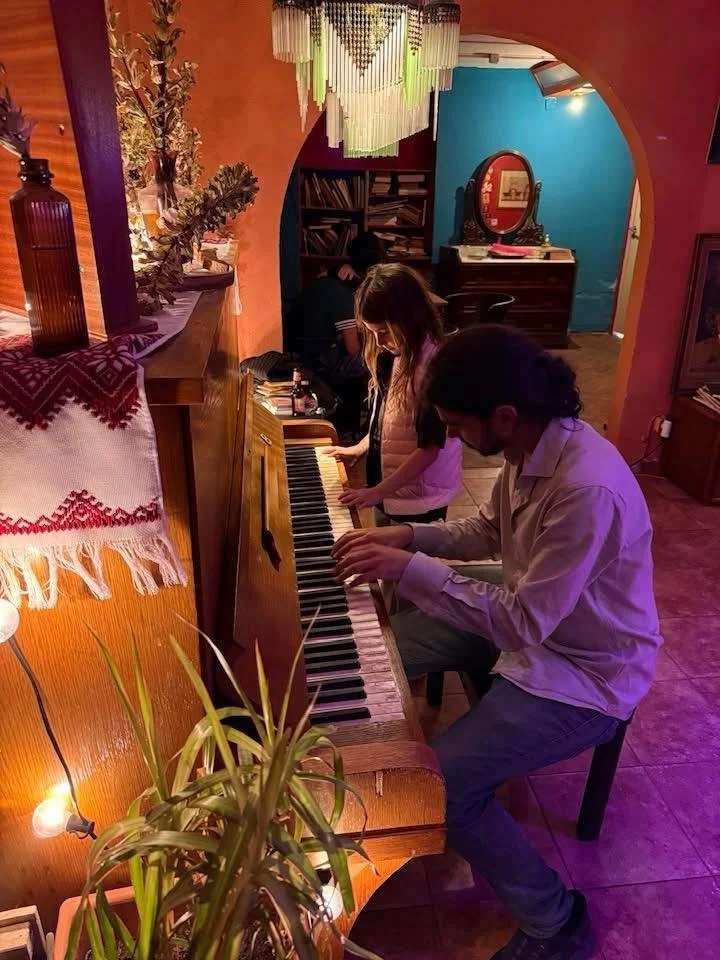
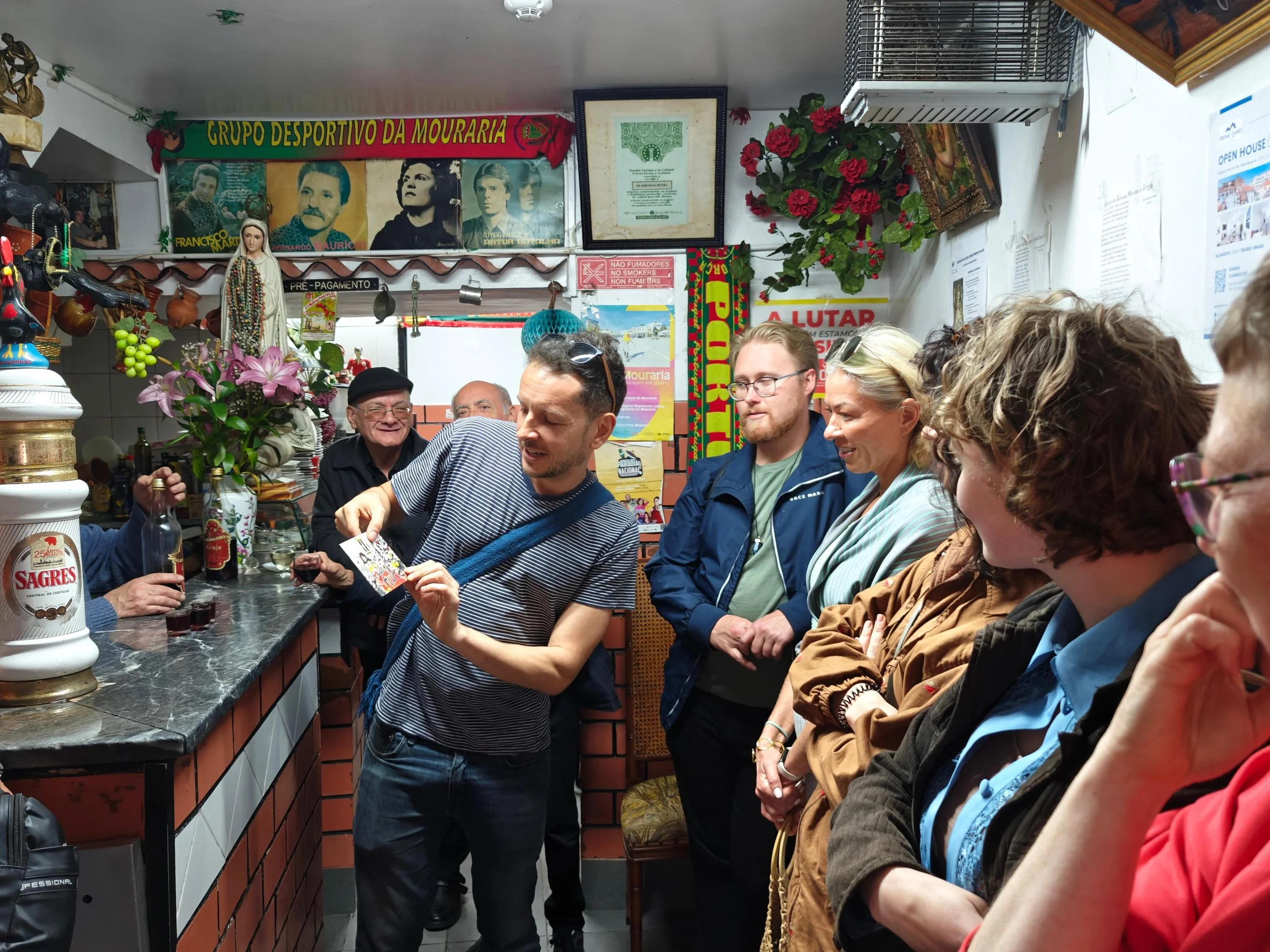
Soul Dreamers began by experiencing Lisbon through stories, food, music and the people behind them
Over time, I noticed that the moments guests remembered most were often the ones I could never completely design in advance. A conversation in a family restaurant changes the tone of the evening. A musician tells a story differently. A traveler recognizes something from their own migration story. A question about a neighborhood turns into a conversation about home, displacement or belonging. A sunset stop becomes much more than a beautiful photograph.
Those moments taught me something fundamental about immersive travel experience design: the best journeys are structured carefully enough to create possibility, but open enough to allow life to enter.
That is very different from manufacturing authenticity.
What if itinerary design looked more like ecosystem design?
Most travel itineraries are imagined as sequences: breakfast, museum, walking tour, lunch, transfer, wine tasting, dinner. It is efficient, easy to communicate and convenient to operate.
But destinations do not exist as sequences. They exist as ecosystems.
A restaurant is connected to farmers, suppliers, families and neighborhoods. A cultural project exists within political and economic realities. A nature reserve intersects with livelihoods, land rights and nearby communities. A musician belongs to a scene. A craftsperson belongs to a tradition. A neighborhood carries generations of memory.
Once we begin seeing travel through this lens, itinerary planning becomes considerably more interesting. Instead of asking what activity should happen at three o’clock, we begin asking:
What relationships are we introducing the traveler into?
Food can become a way of understanding migration. Migration opens questions about identity. Identity connects to music. Music connects to history. History connects to politics. Politics connects to neighborhoods, and neighborhoods eventually lead us back to people.
At that point the traveler is no longer simply collecting experiences. They are beginning to understand a place as a living system.
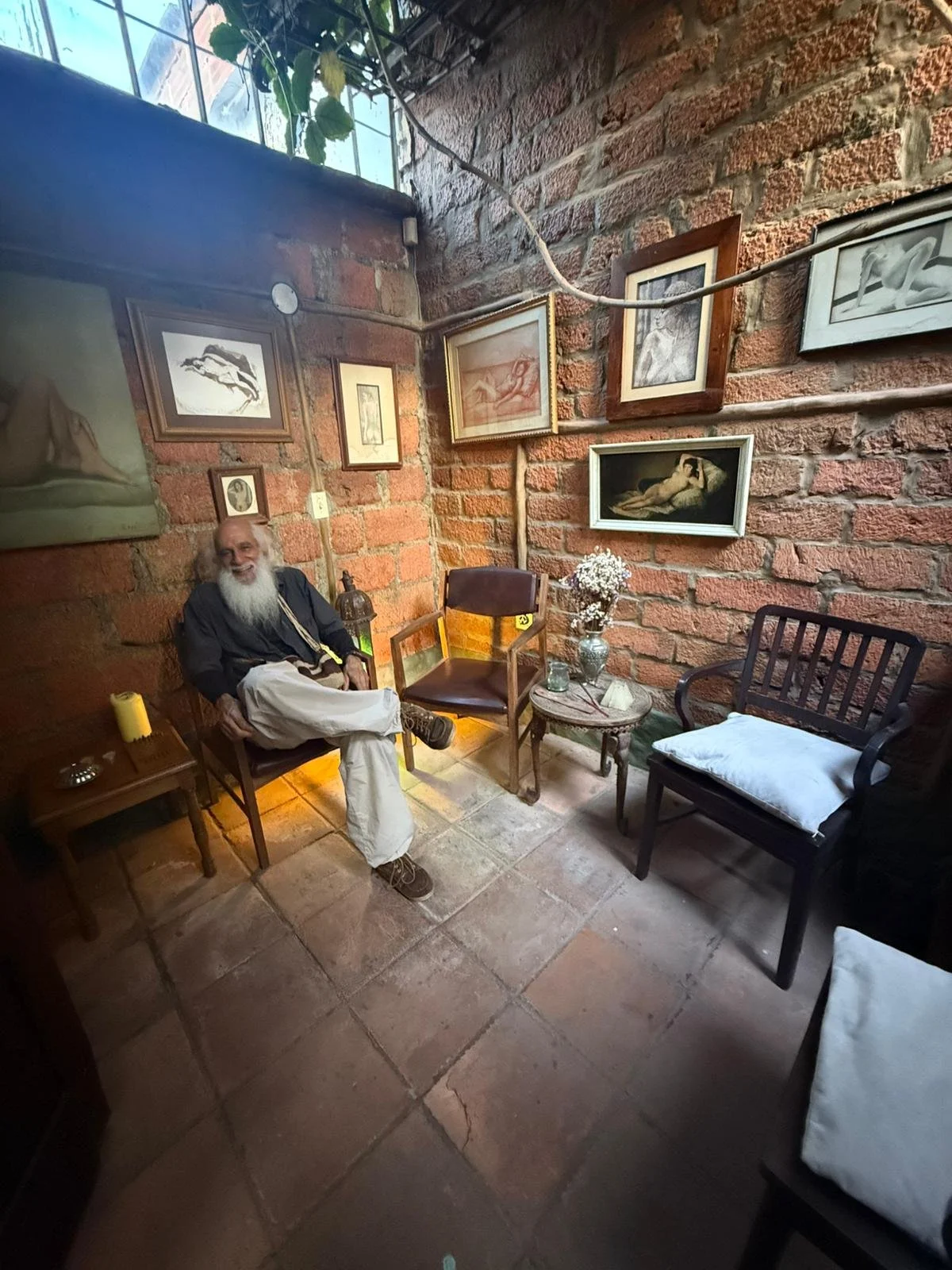
A destination is not a collection of activities. It is an ecosystem of people, histories and relationships.
Portugal, Colombia and Morocco beyond the destination checklist
As Soul Dreamers expands from Lisbon into personalized and multi-day journeys, I do not want simply to reproduce the standard tourism template in new countries.
Portugal is not merely Lisbon, Porto, Sintra and the Algarve. Colombia is not coffee, salsa, Comuna 13 and Caribbean beaches. Morocco is not simply riads, souks, camels and desert camps.
Each destination contains layers that tourism inevitably compresses into a marketable identity. Part of responsible itinerary design is recovering some of that complexity.
In Colombia, for example, a journey might explore the connections between extraordinary biodiversity, cacao, conflict, displacement, regeneration, reconciliation and community resilience. The landscape becomes much more meaningful when travelers understand the people whose lives are connected to it.
In Morocco, craft can be encountered not merely as a beautiful product but as livelihood, family tradition, identity and an economic practice changing across generations.
In Portugal, journeys beyond Lisbon can introduce travelers to fishing communities, Atlantic landscapes, rural life, food traditions, environmental pressures, migration, agriculture and questions around how communities adapt to tourism and demographic change.
None of this means travel needs to become an academic seminar.
There should still be wonderful food, swimming, wine, humor, music, spontaneous evenings, beautiful accommodation and time to simply enjoy being somewhere else.
Depth does not eliminate pleasure. Very often, it makes pleasure more meaningful.
The future travel designer may be more connector than expert
There is another idea I increasingly believe: the best travel designer does not need to be the person who knows everything about a destination.
They need to understand who should be invited into the journey.
A community leader knows something I do not. A biologist reads a landscape differently. A chef understands migration through ingredients. A farmer understands climate change through soil. An artist understands a neighborhood through memory. A historian notices what visitors repeatedly walk past.
The designer’s role should not be to replace those voices with their own expertise. It should be to create the architecture in which those voices can meet the traveler.
That changes what expertise means in travel planning. Expertise becomes knowing how to build relationships responsibly: who should be involved, what context travelers need, what boundaries should be respected and how different experiences can become part of a coherent journey.
In this sense, destination design begins to resemble ecosystem design.
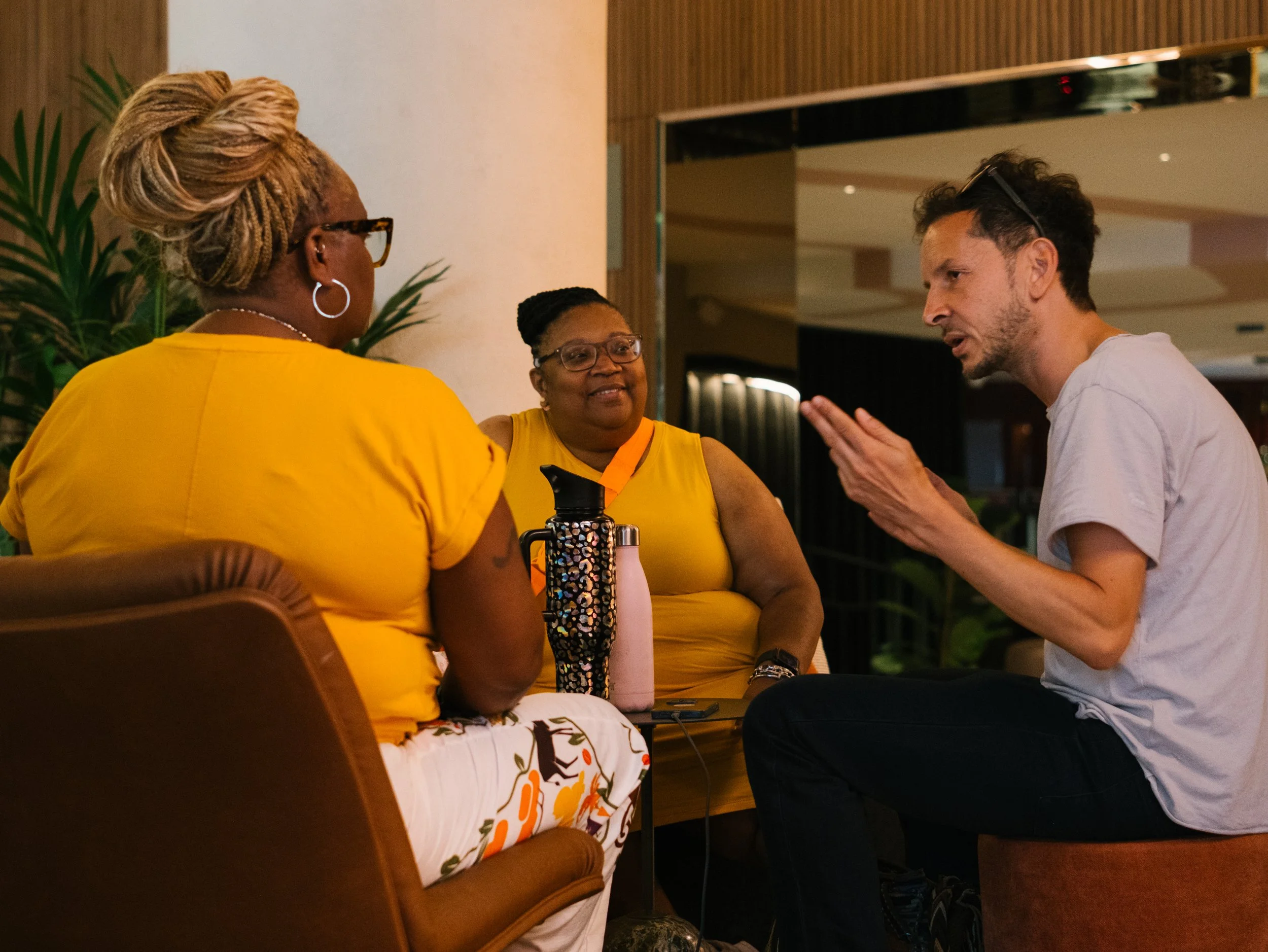
Perhaps the travel designer’s most important skill is knowing whose voice belongs in the journey.
Responsible tourism also needs responsible economics
There is a danger in romanticizing community-based and regenerative tourism.
Local partners need income. Guides need sustainable work. Travel companies need margins. Travelers expect reliability and quality. Hosts need to know that showing up for a group will compensate them fairly for their time.
Good intentions do not pay invoices.
If responsible tourism is genuinely going to distribute value differently, then the commercial structure also deserves scrutiny. Who is paid, and how much? Who owns an experience after it has been developed? Who takes the operational risk? Who receives future business? If a community contributes ideas that later become a successful tourism product, should their benefit grow when the product grows?
These questions may sound less inspiring than discussions about conscious or regenerative travel, but they are probably more important.
If we want tourism to produce different outcomes, we also need to design different economics around it.
Why a meaningful itinerary may never really be finished
Traditional tourism products are finalized, priced, uploaded and sold. Community-rooted journeys may need to remain much more alive.
Neighborhoods change. Projects evolve. People move. Communities develop different priorities. A partner who once welcomed frequent groups may eventually want fewer visitors. A project that was previously appropriate for tourism may decide that its priorities lie elsewhere.
An itinerary created around relationships therefore requires continuous listening.
The role of the experience designer begins to resemble stewardship instead of mere product manufacturing. You adjust. You protect relationships. You remove experiences when they no longer make sense. You introduce new ones when the right people appear. Most importantly, you resist the assumption that every successful experience should automatically be scaled.
That may not produce the fastest-growing tourism company. But perhaps not everything worth building should be optimized for maximum scale.
So who gets to design the journey?
The traveler absolutely deserves a voice. Their curiosity, budget, pace, interests and expectations matter. The travel designer also has an important role, bringing context, research, structure, logistics and imagination.
But the people who inhabit a destination need a voice as well, not merely as suppliers, guides or characters appearing inside somebody else’s itinerary, but as contributors to how the journey itself is shaped. Because the most meaningful form of travel may emerge when tourism stops being something we do to places and becomes something we create with them.
That changes the fundamental question. Instead of asking only, “What can I experience here?”, travelers and designers can begin asking, “What can I understand here?” Eventually we may arrive at an even more interesting question:
What kind of relationship can I build with this place?
That is the kind of responsible and transformational travel I want Soul Dreamers to keep exploring through journeys built not around consuming destinations, but around entering them with curiosity, humility and enough time to listen.
Perhaps the future of travel will not be defined by how many hidden places we discover. Perhaps it will be defined by how carefully we decide which ones to enter at all.
About Soul Dreamers: Designing Soulful Journeys Beyond Conventional Tourism
Soul Dreamers is an immersive travel and journey-design initiative creating culturally rooted experiences for curious travelers, small groups, travel advisors, retreat leaders and purpose-driven organizations.
It began in Lisbon with Lisbon's Local Multicultural Artistic Secrets, an immersive cultural experience that explores the multicultural soul of the Portuguese capital through social anthropology, migration stories, street art, local gastronomy, independent businesses, community spaces, viewpoints and live music.
Today, we are taking that philosophy into a wider vision of personalized multi-day travel and transformational journey design in Portugal, Colombia and Morocco. Rather than beginning with a list of attractions, we begin with the traveler and the destination: who you are, what you are curious about, what kind of connection you are looking for and which local people, communities and experiences can make that journey meaningful.
We work both directly with travelers and B2B with travel advisors, retreat creators, organizations and other transformational visionaries who want a trusted destination partner to help design culturally immersive, community-rooted and responsible journeys.
The goal is not to manufacture transformation or promise that every trip will change your life. It is to create the conditions in which genuine encounters can happen: enough curiosity to ask better questions, enough openness to meet people beyond tourism's familiar narratives, and enough time for a destination to become more than a collection of photographs.
If you would like to experience the philosophy where Soul Dreamers began, discover our immersive Lisbon journey here:
Soul Dreamers Lisbon – Multicultural, Artistic & Local Experiences
https://www.souldreamers.net/lisbon
And as our multi-day journeys in Portugal, Colombia and Morocco continue to develop, Soul Dreamers is also opening new ways to collaborate on personalized itineraries, retreat journeys and B2B destination design.
Frankly, sometimes the best journey does not begin by asking where you want to go. It begins by asking how you want to connect once you get there.