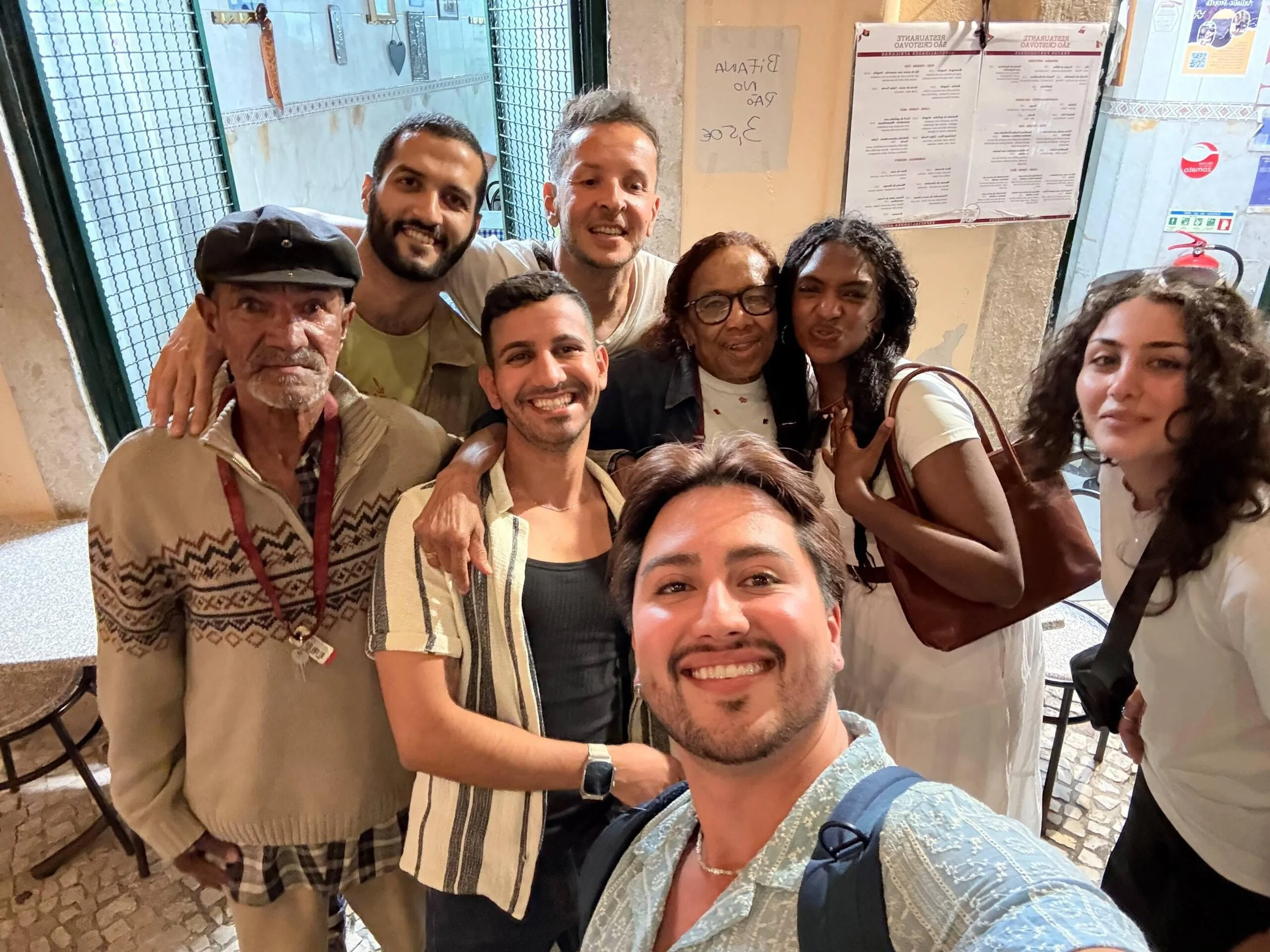
What You End Up Carrying When You Walk Lisbon. A culture-first packing story, written from the inside of the city
You Don’t Arrive All at Once
You don’t arrive in Lisbon all at once. It doesn’t announce itself with landmarks or overwhelm you with spectacle. Instead, it unfolds gradually, almost shyly, as if testing whether you’re willing to slow down enough to notice what’s already there.
At first, you think you’re simply walking. You’re following a map, or a recommendation, or a pin you saved weeks ago. Then the street changes angle, the light shifts, someone starts playing music somewhere above you, and you realize you’ve stopped following anything at all. This is usually the moment Lisbon begins to teach you what to carry (not in your suitcase) but in your body, in your attention, in the way you move through space.
Learning the City Through Your Feet
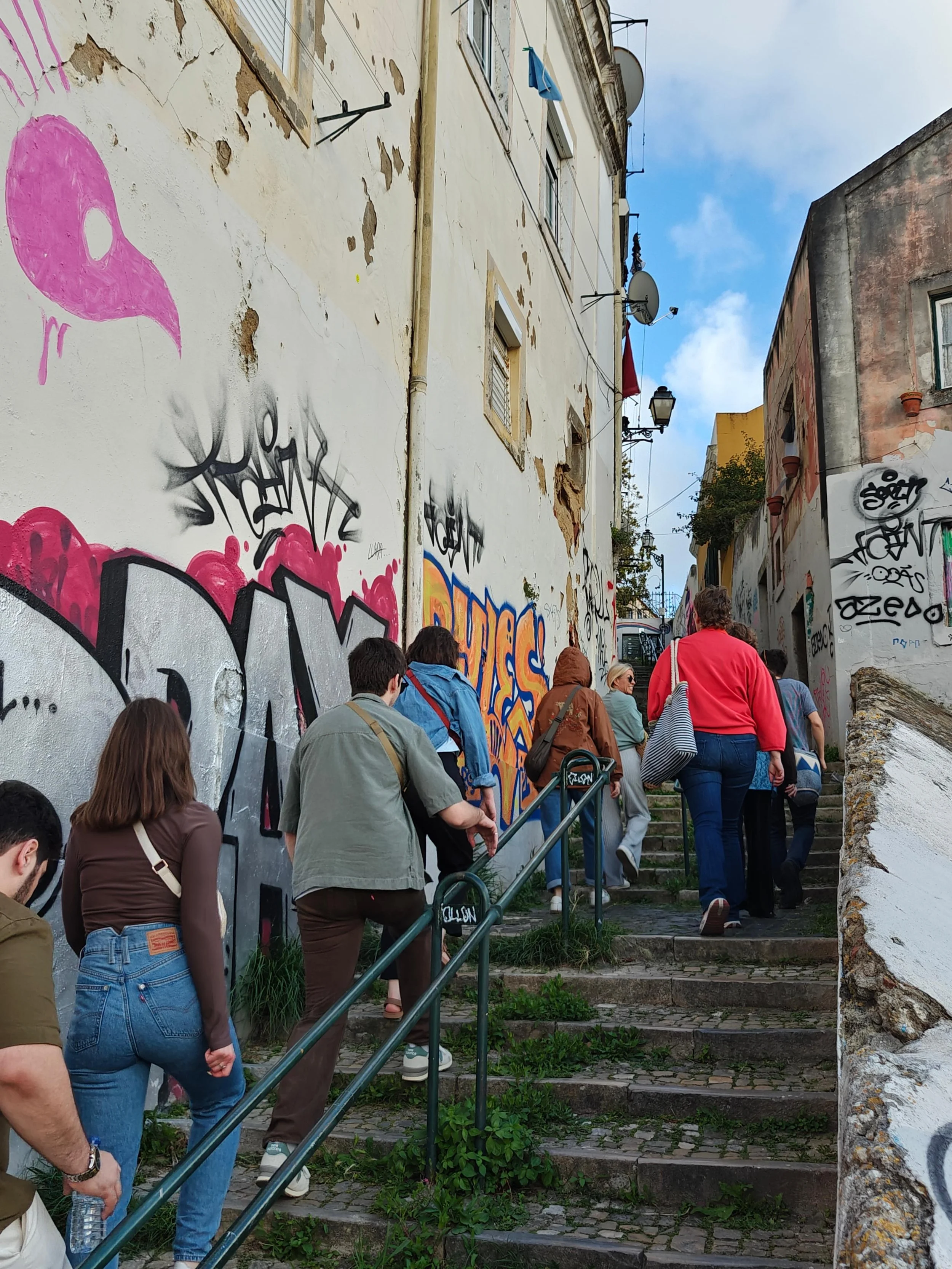
You become aware of your footing before anything else. Lisbon doesn’t move in straight lines. It tilts, curves, climbs, and collapses into itself in ways that ask you to feel every step. Streets that look gentle suddenly lean hard to the side. Pavement that looks decorative asks for balance.
You pause more often than you expected, sometimes because your legs need it, sometimes because something small and human interrupts your momentum: an elderly man watering plants from a plastic bottle, a mural half-finished, a woman singing softly to herself while sweeping a doorway.
You quickly understand why the people who seem most at ease here wear shoes that already know them. Not shoes meant to impress, but shoes that allow hesitation, stopping, turning around without frustration. Lisbon is a city that rewards those who accept its pace.
When the Light Changes, So Do You
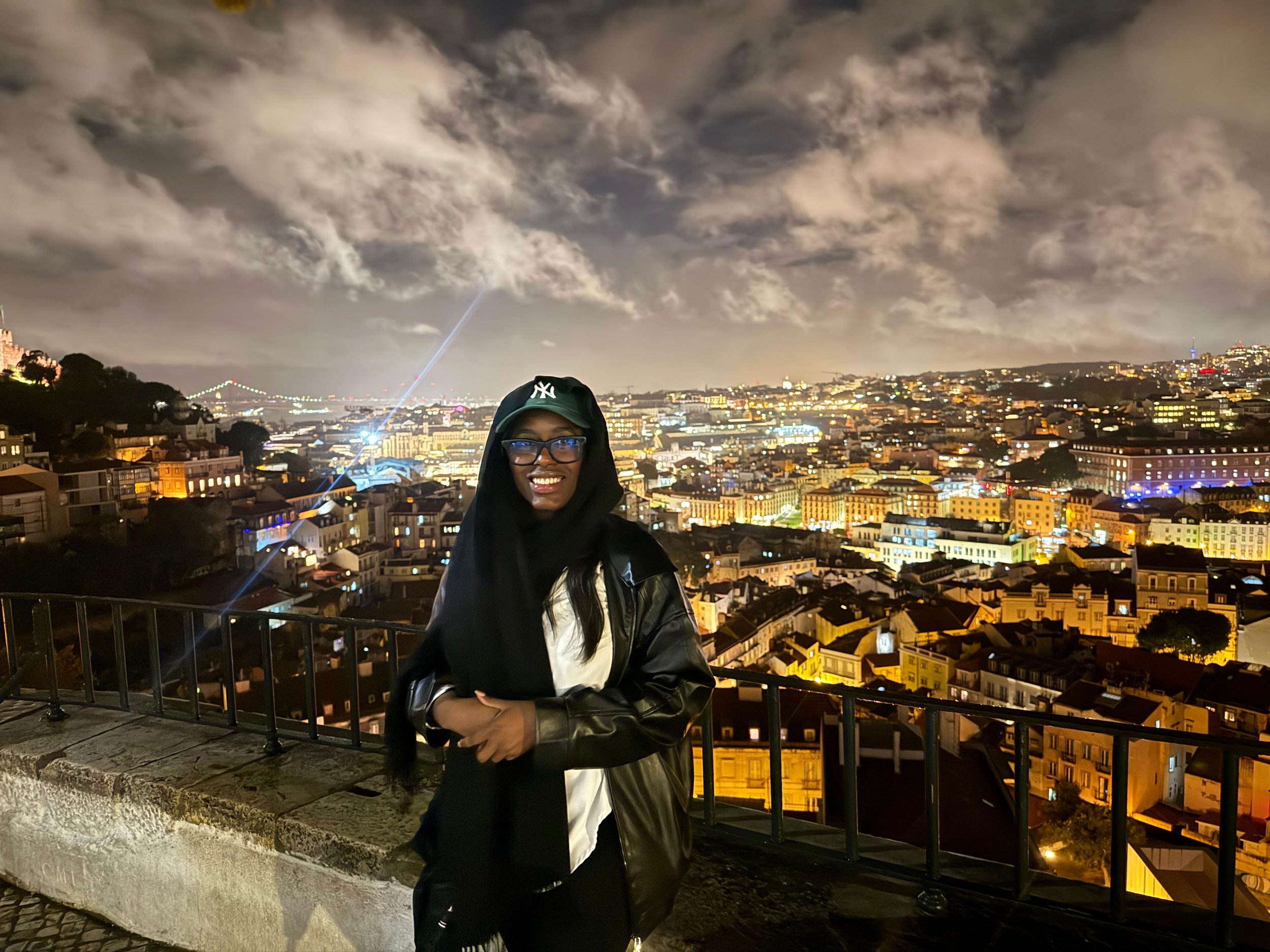
Lisbon shifts temperature the way it shifts mood, quietly, gradually, without asking for your attention. In the afternoon, the sun feels open and generous, bouncing off tiled façades and warming your shoulders as you climb toward a viewpoint you didn’t plan to reach.
Later, as the light softens and the sky turns spectacularly milky pink, the air cools just enough to make you aware of your skin again. Evenings here arrive gently, but they linger, and suddenly you find yourself standing longer than planned, wrapped in conversation, watching the city breathe below you.
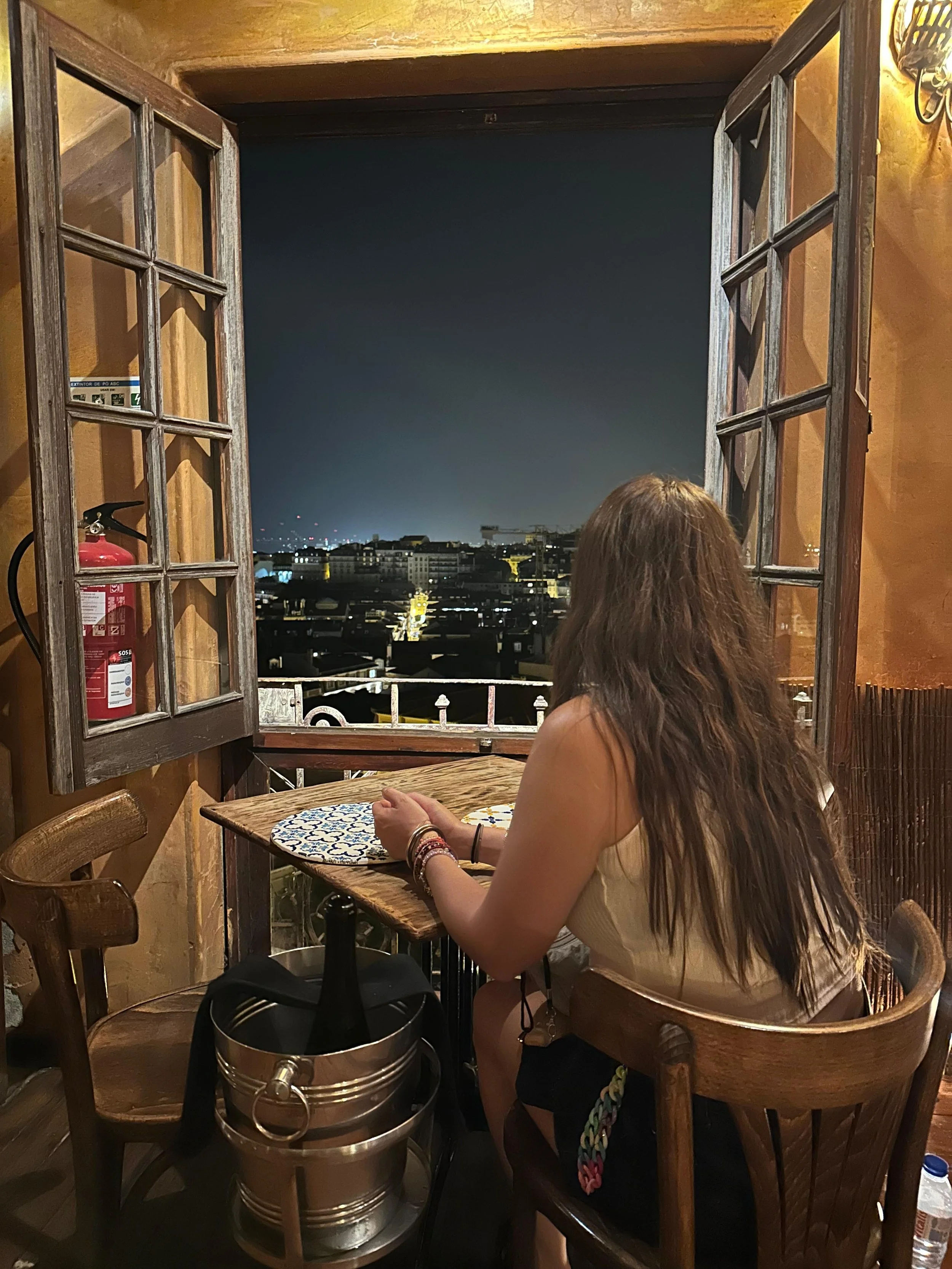
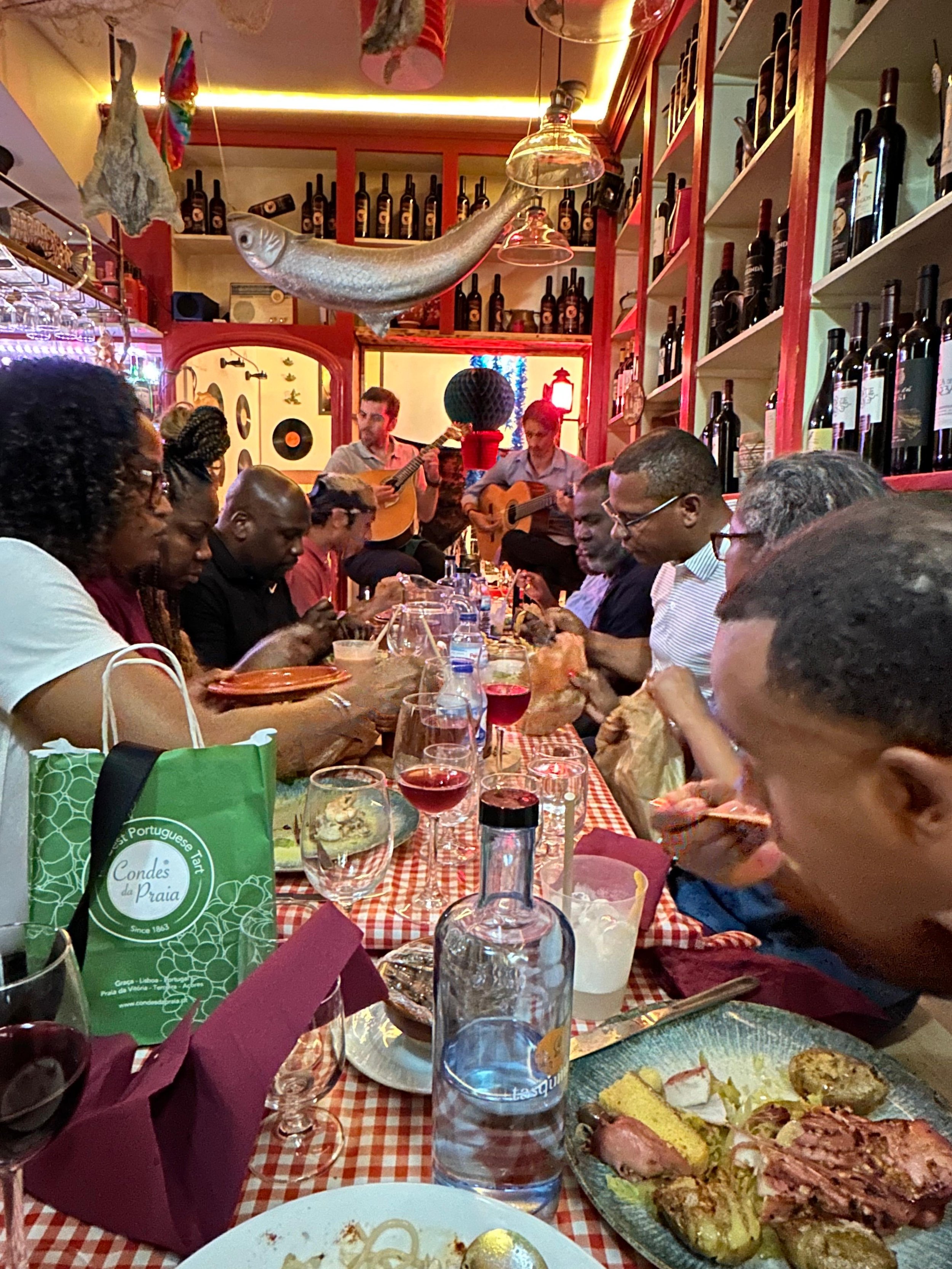
This is when you’re grateful for something light to pull around yourself just enough to stay present without thinking about it. Because Lisbon nights don’t announce endings. It breathes spontaneity and surprises. A single drink becomes two. A casual stop becomes live music. Someone mentions a place nearby, not famous, not advertised, but important to them.
Carrying Less to Hold More
Somewhere along the way, you become aware of your bag. Or rather, you become aware of how much it gets in the way.
Lisbon is a city of gestures and textures. You lean against walls. You use your hands when you talk. You accept small plates, cups, instruments, stories. The people who move most fluidly through the city carry very little: a small bag, or none at all as if they’ve learned that the city itself will ask them to hold other things instead. Carrying less here feels like trust.
The Things You Didn’t Plan to Write Down
You probably didn’t plan to write anything, but you do as something stays with you longer than expected. Perhaps it’s the story behind a song you heard: how fado once belonged to sailors, migrants, women whose voices carried grief and desire through narrow streets. Maybe it’s a conversation about a neighborhood changing too fast, or one resisting quietly.
Later, sitting somewhere calm, you feel the need to catch a fragment of it before it dissolves. Not everything. Just enough to remember how it felt.
Lisbon teaches through accumulation through moments layering on top of one another until meaning emerges naturally.
Dressing for Continuity, Not Occasions
Here, clothing becomes about continuity. Afternoons drift. Evenings wander. Music appears where you didn’t expect it.
You realize you’ve been moving through different worlds without ever changing yourself. The clothes that work best are the ones that let this happen: comfortable, flexible, honest. Nothing that needs constant adjustment. Nothing that separates you from the moment you’re in.
Lisbon simply asks you to participate.
What Curiosity Feels Like Here
The most important thing you carry isn’t visible at all. It’s curiosity: the relational kind. Curiosity that listens before it speaks. That doesn’t assume access. That understands the difference between observing a place and being invited into it.
This city opens differently when it senses respect. When you support small, family-run places without treating them as backdrops. When you listen to stories even when they’re complex or uncomfortable. Lisbon remembers how you arrive.
Letting Go of Urgency
Over time, you let go of some things. Urgency. Over-planning. The need to extract value from every hour.
You begin to leave space between destinations, between conversations, between intentions. And in that space, the city responds. Some of the most meaningful moments happen in places you never meant to go: stairways, back streets, quiet squares where no one is selling anything.
Lisbon rewards presence.
Leaving Without Leaving Empty
By the time you leave, your suitcase isn’t much heavier. But you are. Heavier with stories that didn’t make it into photos. With faces you’ll remember without knowing why. With the feeling that you touched something human, layered, alive, and it touched you back.
That’s what Lisbon offers when you walk it this way. And that’s what I hope people carry with them whether they explore with me, or on their own.
Not much.
Just enough to stay open.