

The Conscious Explorer’s Guide to Ethical Travel in Portugal
How to travel intentionally, and supporting local culture without consuming it
Portugal has become one of Europe’s most loved destinations. And that’s both beautiful… and complicated.
In the last decade, cities like Lisbon and Porto have been transformed by tourism. Cafés reopened. Streets filled with languages from everywhere. Forgotten neighborhoods found new life. At the same time, rents rose, local businesses disappeared, and entire areas began to feel like stage sets rather than lived places.
Ethical travel in Portugal means traveling with awareness. This guide below showcases travelers’ choices, and learning how small decisions ripple outward.
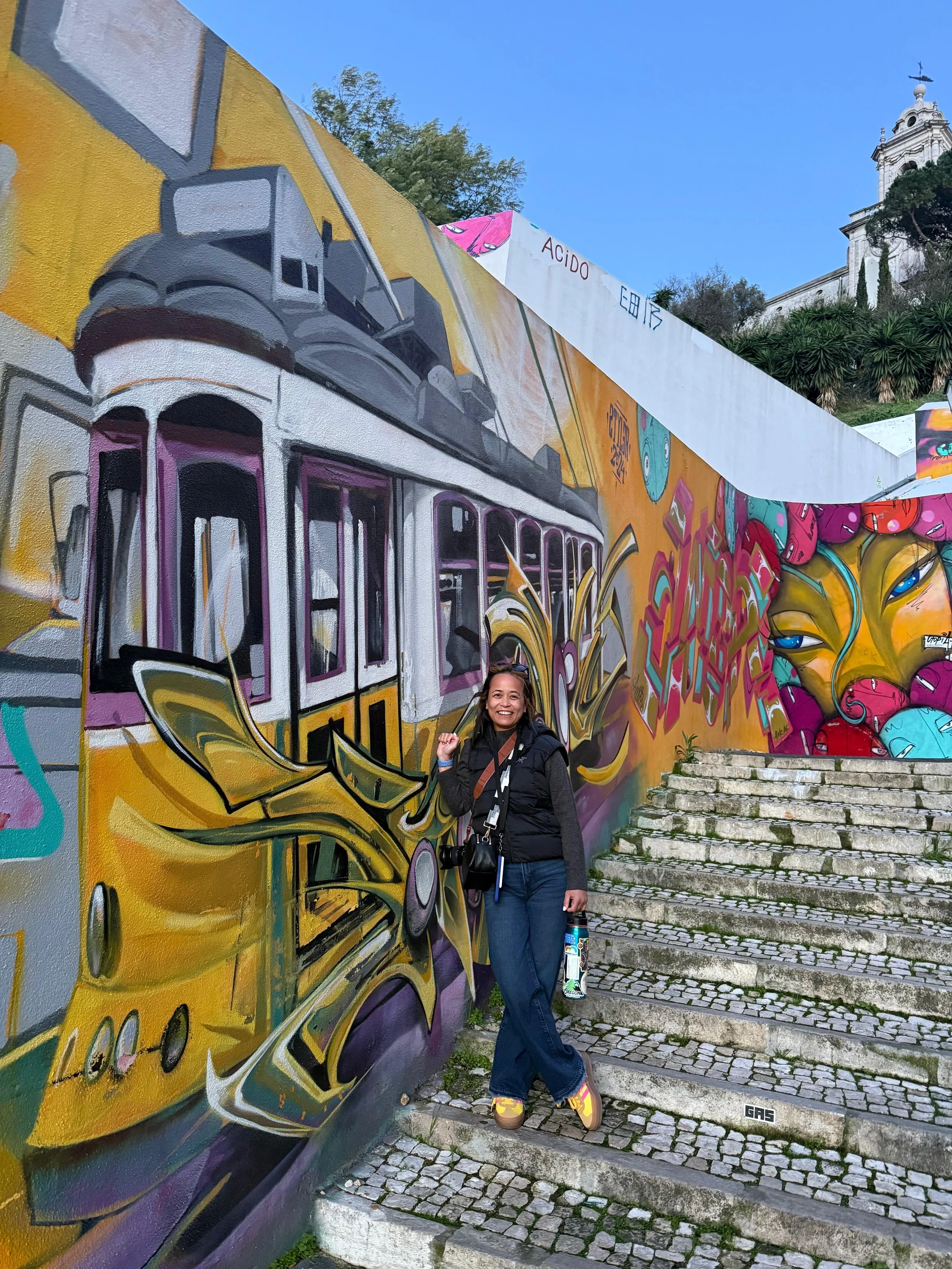
Soul Dreamers Lisbon Explorer walking up the artistic Graca neighbourhood
Ethical Travel Is a Practice
There’s no such thing as a perfectly ethical trip.
But there is a difference between:
consuming a destination
andentering a place with curiosity, humility, and care.
Portugal is deeply shaped by layers of history: Arab, Jewish, African, Brazilian, rural, imperial, post-colonial, migratory.
To travel ethically here means recognizing that what you see today is the result of many invisible stories, and that you’re temporarily stepping into someone else’s home.
1. Support People
A museum ticket helps maintain a building. A local artisan helps maintain a life.
Whenever possible:
Buy from independent shops instead of souvenir chains
Eat at family-run tascas instead of Instagram-optimized restaurants
Choose experiences led by locals who live in the neighborhoods they share
In Lisbon especially, many of the most meaningful encounters happen in places without signs, websites, or English menus.
If someone takes time to tell you their story, listen. That attention is already a form of respect.
2. Understand the Difference Between “Traditional” and “Frozen”
Portugal loves its traditions but traditions are not museum objects.
Fado, for example, is not one thing. It has evolved through migration, poverty, resistance, colonial return, and urban change.
Ethical travel asks:
Is this cultural expression alive… or performed only for tourists?
Are the people sharing it connected to it or just hired to replicate it?
Look for experiences where culture feels relational, and not simply transactional.
3. Walk More while Consuming Less
Portugal reveals itself slowly. The narrow streets of Alfama, Mouraria, Graça, or Bairro da Liberdade were not designed for rushing through with a checklist. They were built for neighbors, conversations, pauses.
Walking beyond being environmentally lighter is also socially different.
When you walk:
You notice who lives where
You see which shops are still local
You encounter everyday rituals that do not make guidebooks
Ethical travel often begins by not trying to see everything.
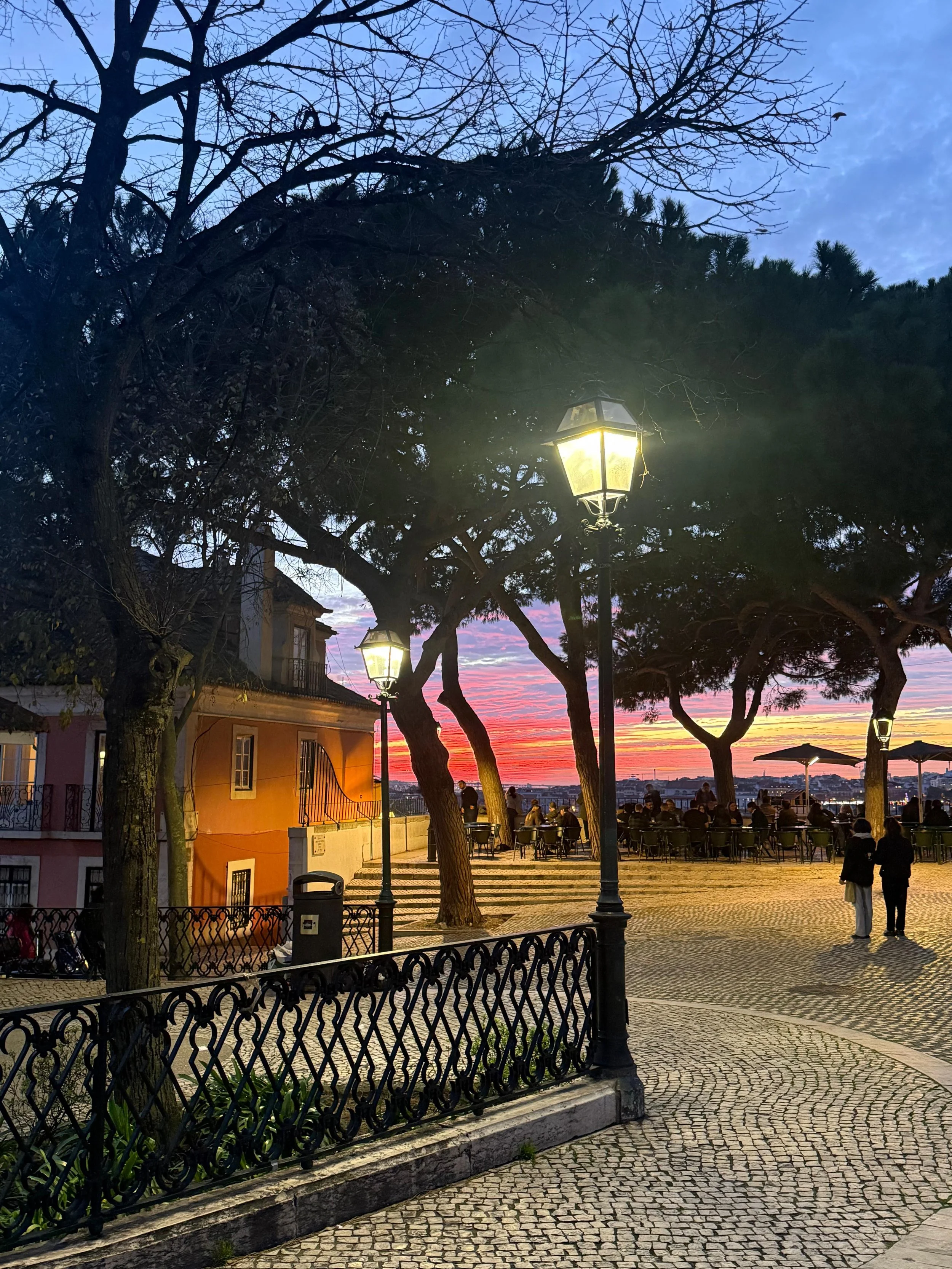
Sunset View on the Graca Viewpoint
4. Choose Routes That Don’t Displace
Some of Portugal’s most “picturesque” areas are also the most fragile. Short-term rentals have reshaped entire neighborhoods. That doesn’t mean visitors are the enemy but awareness matters.
If possible:
Stay outside hyper-touristed zones
Choose accommodations that are owner-operated, not speculative
Ask hosts about the area, and listen to the answers
Ethical travel includes asking: Who benefits from my presence here?
5. Engage With Portugal’s Multicultural Reality
Portugal is not homogenous, and frankly never has been. One of my guests once asked me to provide them a purely Portuguese experience. I have told her that would be impossible.
African, Brazilian, Cape Verdean, Goan, Angolan, Mozambican, Eastern European, and South Asian communities shape today’s Portugal.
Ethical exploration means:
Moving beyond postcard Portugal
Acknowledging post-colonial realities
Being open to uncomfortable histories alongside beauty
Here I am not making a political statement. I am simply being honest about the layered cultural landscape Portugal brings.
6. Pay Fairly. Especially for Intimate Experiences
If something feels deep, personal, and meaningful… it probably shouldn’t be cheap.
Ethical travel includes:
Respecting fair pricing
Understanding that time, emotional labor, and cultural mediation have value
Avoiding the mindset of “getting the best deal” at all costs
When you pay fairly, you help ensure these experiences can continue, and scale to support other ethical travelers in the future.
7. Leave Space for Transformation (Yours)
Travel can transform you. Portugal has a quiet way of working on people through rhythm, melancholy, humor, and resilience.
Ethical travel allows:
Silence
Slowness
Reflection
Sometimes the most respectful thing you can do is not post, not rate, not extract yet simply carry the experience with you.
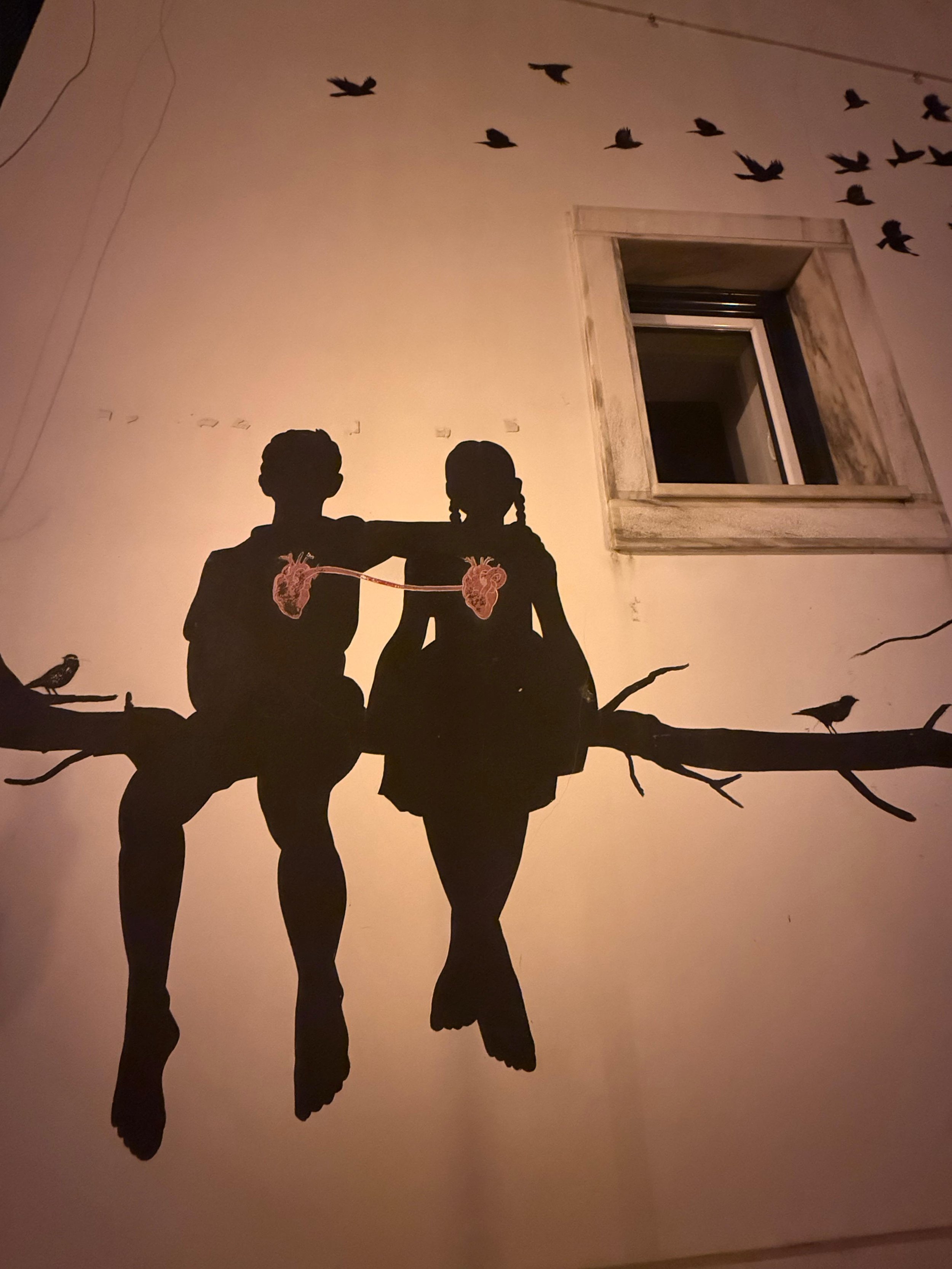
Street Art in the Alfama neighbourhood in Lisbon
A Living Example: Experiencing Portugal Through Soul Dreamers
At Soul Dreamers, our multicultural Lisbon experiences were created as a response to everything above. They are curated journeys through hidden neighborhoods, migration stories, live music, local art, and shared meals, designed to honor the people who shape the city today.
We work with:
Independent artists and musicians
Local food spots rooted in community
Storytelling that centers dignity over spectacle
Each experience supports grassroots initiatives and prioritizes presence over volume.
You can explore and book the Lisbon experience here: https://www.souldreamers.net/lisbon
A Final Thought
Portugal needs presence without entitlement. Ethical travel awakens.
If you leave with fewer photos yet deeper conversations… If you remember names instead of landmarks… If you feel changed beyond entertainnment…
You’ve already traveled well.
—
Part of the Soul Dreamers “Ultimate Guide” Series — exploring places as living ecosystems of people, memory, and meaning.
